About the author
Andrey Kot
As a child, I often wanted to know what happened after the last page. Sometimes I had to make it up myself.
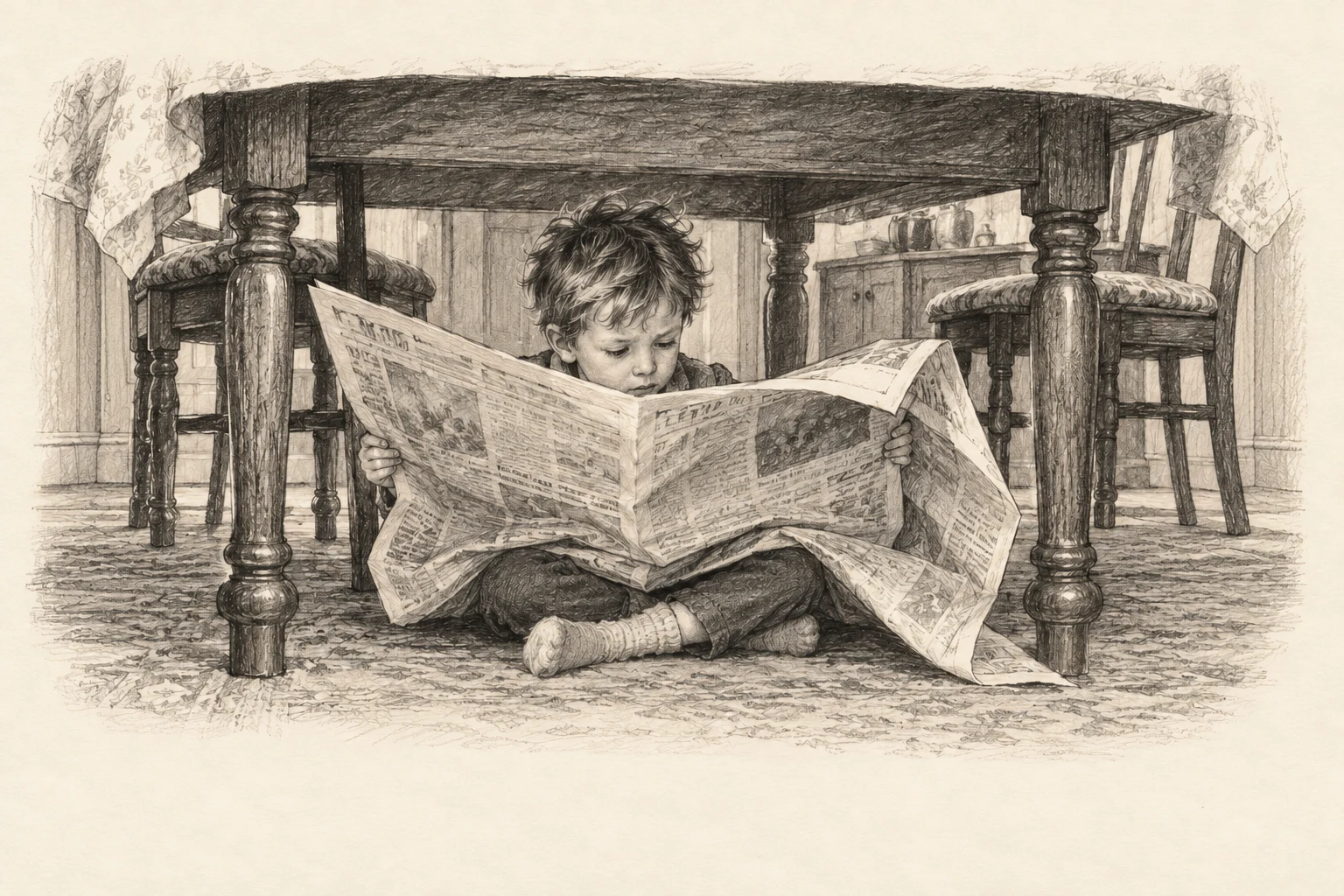
Age four. A briefing on world affairs.
I learned to read early. When I was about four and we were living in the North, I would brief my family on the news. My parents and older sister came home from work; I read them the papers, including the Politburo announcements.
When I read under the table, I was alone. That was where I hid from Babayka, the bogeyman.
Whether I understood the international situation is open to debate. Reading, apparently, was not the problem.
Books were ordinary household objects in our family. My parents were engineers, my brother became a physicist, and my sister finished school with a gold medal. Everyone read. I may simply have taken it a little too far.
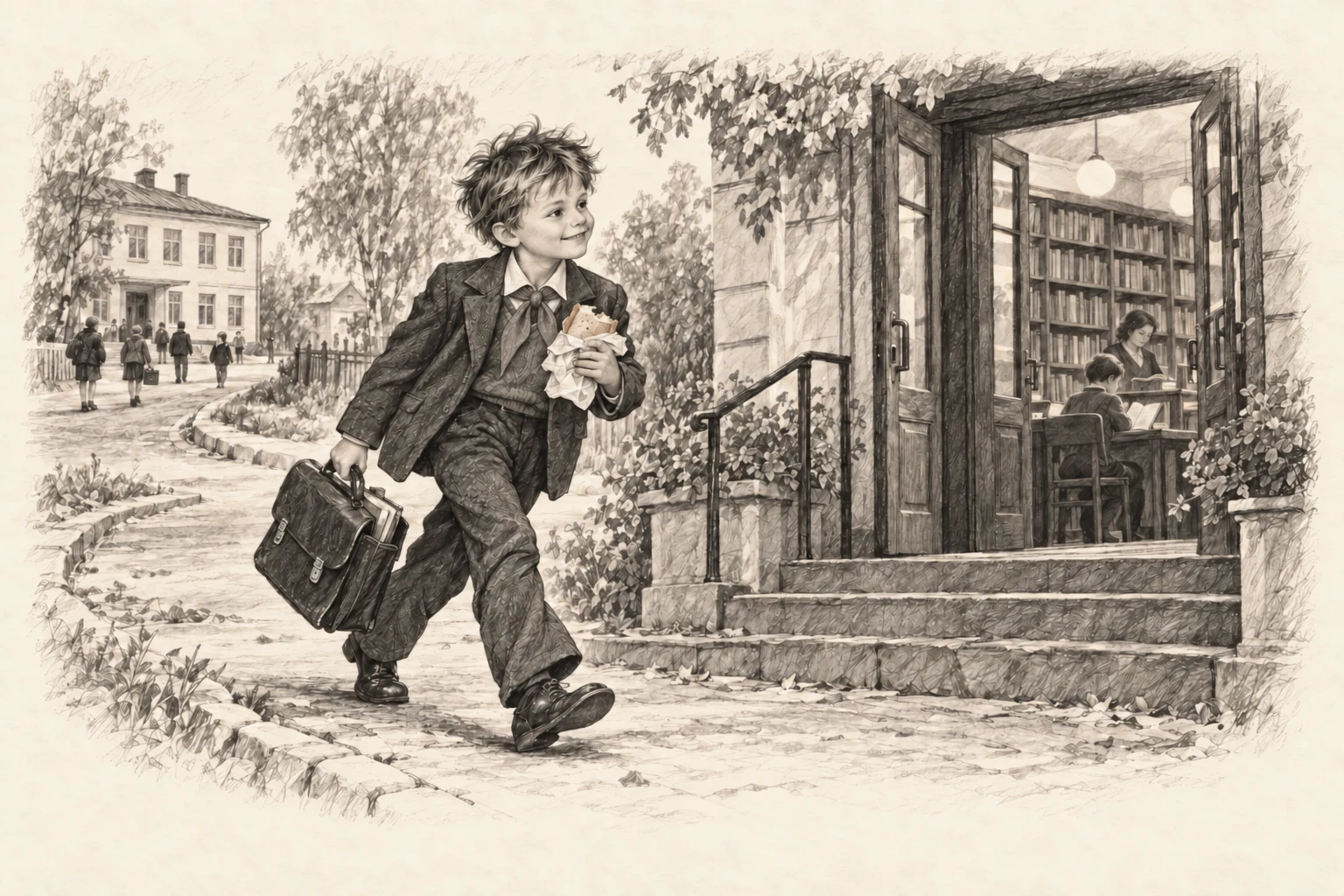
Perfectly healthy. Occasionally absent.
I grew up in Kropotkin, a small town in the Krasnodar region. Around fourth grade, I discovered that the library was more interesting than some of my lessons. I would get ready for school, pack a sandwich, and go to the library instead. For the whole school day.
The arrangement ended when my teacher met my mother and asked, with some concern, what was wrong with my health.
My reading had no particular system: Dumas, Jules Verne, Vladislav Krapivin, Homer, Virgil, Ovid. I even reached Aristophanes, although I suspect his comedies might have benefited from a slightly older reader.
The trouble with the last page
After reading Alexander Volkov’s books about the Magic Land, I wanted more. Rather than wait for somebody else to provide it, I gathered friends in my room and we invented our own adventures. We were ten or eleven.
Nobody was planning a literary career. We simply weren’t ready to leave the story behind. At school, I liked essays on a subject of our own choosing: at last, permission to invent an answer instead of reproducing one.
A long way back to the desk
I graduated from an institute of foreign languages, later earned a research degree in philology, and went on to study economics and complete an MBA at the Stockholm School of Economics. It was not an especially straight educational path.
I kept writing at college, mostly for myself. Many of those drafts did not survive; perhaps that saves me some embarrassment now. Work and everyday responsibilities eventually crowded writing out. There was no solemn decision to stop. Other things were simply more persistent.
I returned to writing after moving to the United States, where I live today. I started making up stories again.
Different stories, different voices
I write comic fantasy, historical fantasy, stories about human contradictions, and corporate satire. I enjoy trying a different voice and meeting characters who have little in common with the last ones.
I have nothing against sequels. But a story needs a journey and an ending. When new adventures merely repeat old conflicts, it may be time to let the characters go.
A good book can make you laugh, surprise you, annoy you, or give you a few hours somewhere that never existed. My favourites linger after the last page. Which, come to think of it, is where this all began.
My books
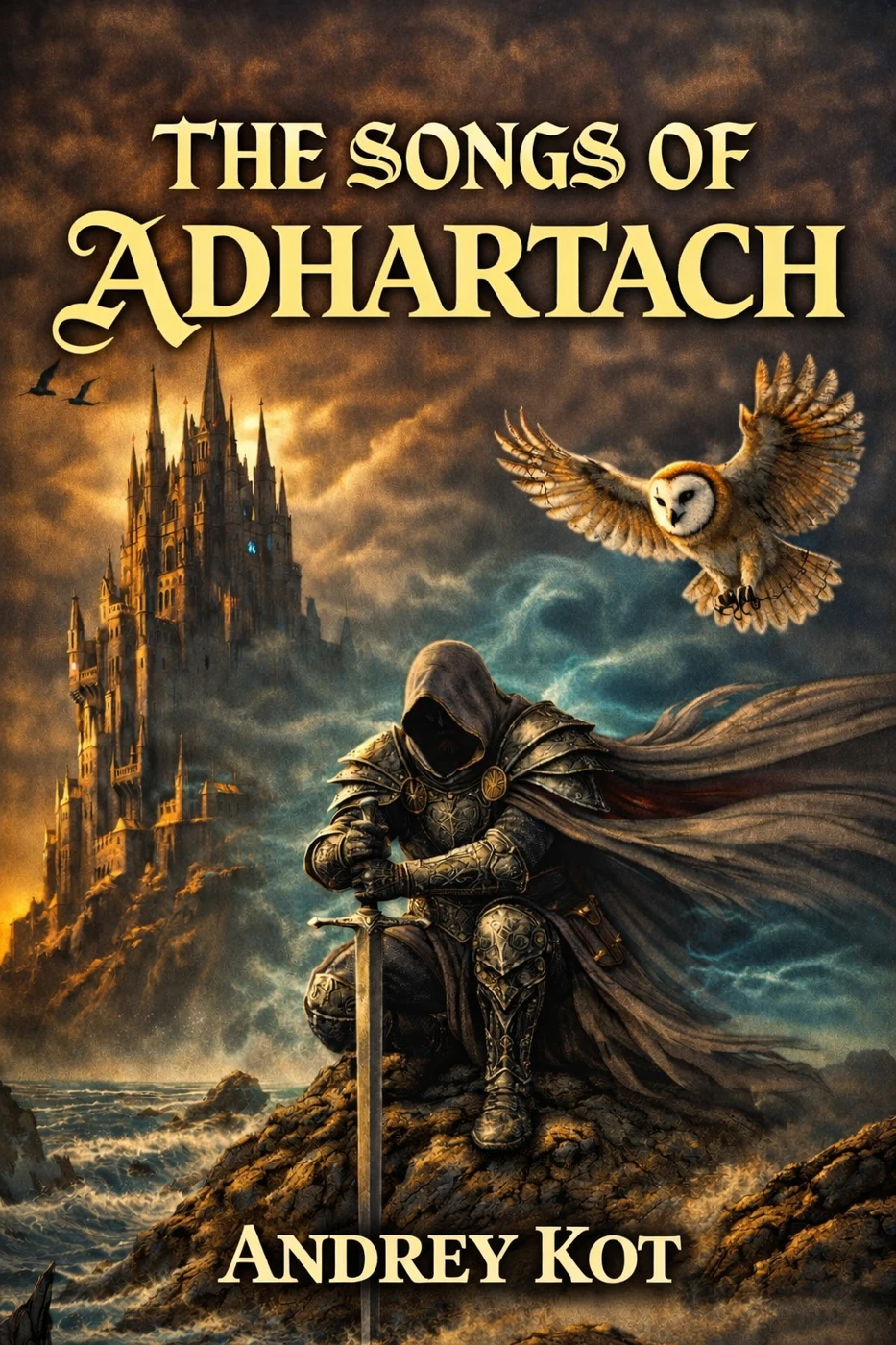
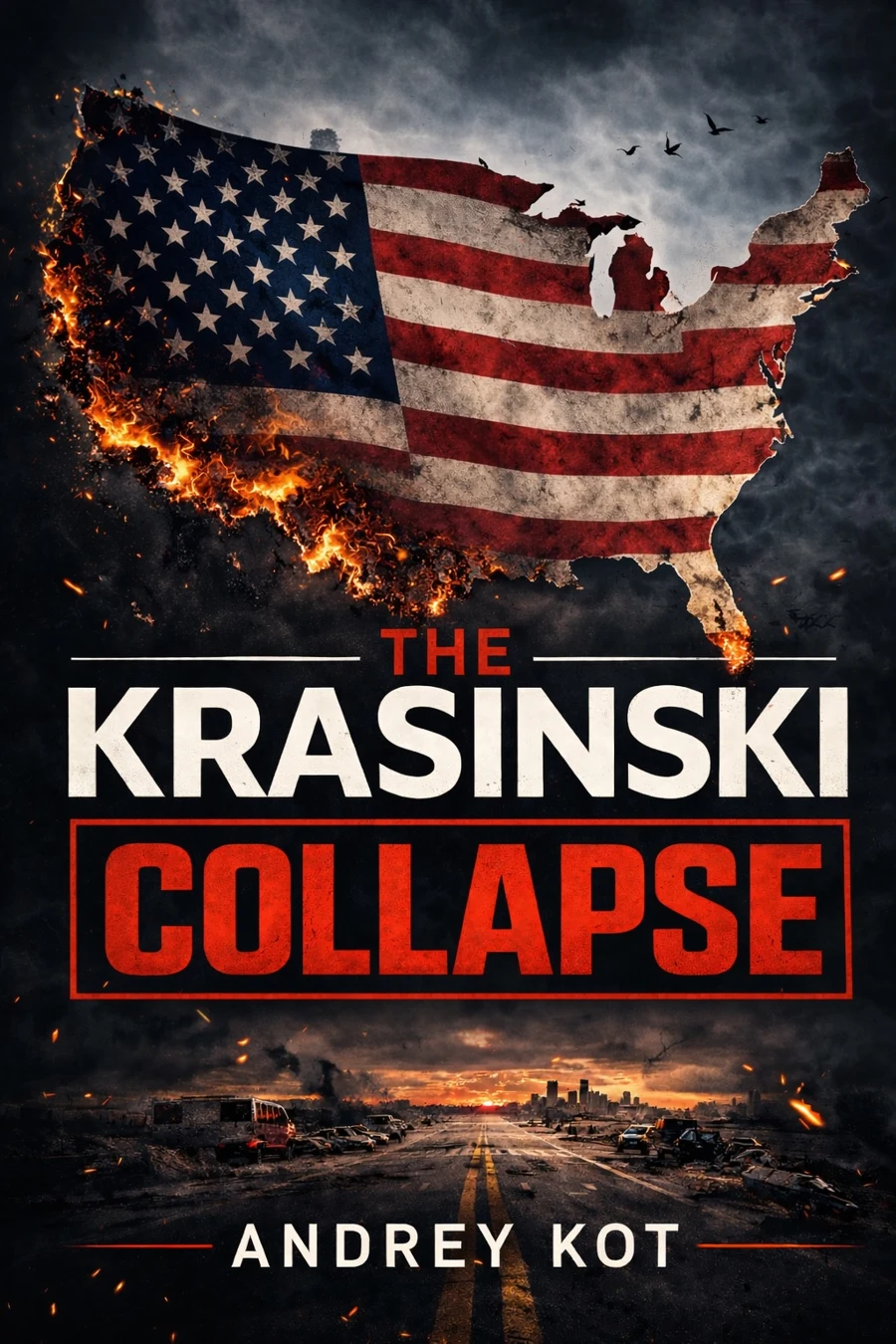
Pencil illustrations inspired by childhood memories.
Updated: